Side-effects
Browse the articles related to this topic below.
Join our community on Guilded.
Four months ago, I had my second dose of the Pfizer Covid-19 vaccine. I work for the NHS and fully support Britain’s vaccination campaign, so it was a simple decision for me to make. I had no problems with my first dose and I knew that the vaccines have been found to be highly effective and safe, preventing up to 96 per cent of Covid hospitalisations.
The day after my second dose I began to feel some aches and pains, but I gave little thought to the vaccine and carried on as normal. Four days later though my chest was seriously aching. I tried various stretches and painkillers but my symptoms grew worse. Then there was a sharp pain, piercing into the left side of my chest, near my heart. After a quick call to NHS 111, they sent me directly to Accident & Emergency, where I was strapped up to an electrocardiogram (ECG) machine and given blood tests to see if I was having a heart attack. I’m in my early thirties and relatively healthy, with no family history of heart disease or underlying conditions, and I’d never felt this sensation before.
The European Medicines Agency’s (EMA) Pharmacovigilance Risk Assessment Committee (PRAC) is currently investigating six reported cases of capillary leak syndrome in people who were vaccinated with Spikevax, previously known as COVID-19 vaccine Moderna.
These six cases are out of over 61.6 million doses of the Moderna vaccine administered in the European Union and the European Economic Area (Norway, Iceland and Liechtenstein) and since it received authorization in January 2021. The EMA also pointed out that currently there is no evidence of a causal link between the Moderna vaccine and capillary leak syndrome.
Sen. Ron Johnson held a panel discussion on November 2, 2021 with doctors and medical researchers who have treated COVID-19 vaccine injuries and are researching the safety and efficacy of COVID-19 vaccines, patients who have experienced adverse events due to the COVID-19 vaccine, and vaccine mandates.
Backup mirrors:
In an exclusive and explosive one-hour interview with Veronika Kyrylenko of The New American, pioneering mRNA scientist Dr. Robert Malone explains the intensely corrupt workings of the government regulatory bodies that have mismanaged the pandemic, discusses the problems with the vaccine program and delves into potentially explosive and game-changing revelations about the shady origins of the Covid-19 pandemic in Wuhan, China.
We conclude that the mRNA vacs dramatically increase inflammation on the endothelium and T cell infiltration of cardiac muscle and may account for the observations of increased thrombosis, cardiomyopathy, and other vascular events following vaccination.
Commentary from Dr. Vernon Coleman can be found here.
As U.S. health authorities expand use of the leading Covid-19 vaccines, researchers investigating heart-related risks linked to the shots are exploring several emerging theories, including one centered on the spike protein made in response to vaccination.
Researchers aren’t certain why the messenger RNA vaccines, one from Pfizer Inc. and partner BioNTech SE and the other from Moderna Inc., are likely causing the inflammatory heart conditions myocarditis and pericarditis in a small number of cases.
Some theories center on the type of spike protein that a person makes in response to the mRNA vaccines. The mRNA itself or other components of the vaccines, researchers say, could also be setting off certain inflammatory responses in some people.
http://archive.today/2021.11.08-193051/https://www.wsj.com/amp/articles/researchers-probe-link-between-covid-19-vaccines-and-myocarditis-11636290002
A new study conducted in one county in Minnesota has found an increased likelihood that citizens who received the Johnson & Johnson’s COVID-19 vaccine were more likely to develop blood clots.
The study by the Mayo Clinic found that recipients of the Johnson & Johnson vaccine, officially designated “Janssen,” in Olmsted County, Minnesota, were about 3.7 times more likely to develop a certain variety of cerebral blood clots. Case numbers taken from February 28 to May 7, 2021, were compared to pre-pandemic levels of the blood clots from January 1, 2001, through December 31, 2015.
In this population-based cohort study, we found that the CVST incidence rate 15 days after Ad26.COV2.S vaccination was significantly higher than the prepandemic rate. However, the higher rate of this rare adverse effect must be considered in the context of the effectiveness of the vaccine in preventing COVID-19 (absolute reduction of severe or critical COVID-19 of 940 per 100 000 PY).
Dr. McCullough speaks about vaccine safety, efficacy, and the continued need for early treatment.
Arguments to vaccinate children as young as five against Covid are ‘scientifically weak’, British experts claimed today after the US moved closer to jabbing infants.
…Professor David Livermore, a medical microbiologist at the University of East Anglia told MailOnline: ‘Vaccinating children to protect adults via herd immunity is ethically dubious and is scientifically weak.’
…Professor Russell Viner, a pediatrician and member of the UK Government’s scientific advisory group SAGE, said it was crucial the UK does not ‘rush to a decision’ in the wake of the announcement in the US.
Dr. Al Johnson is back with Dr. Peter McCullough to discuss the problem with long COVID as well as vaccine reactions.
Article date: October 05, 2016
Consider this: one century ago, you couldn’t find anyone allergic to peanuts, but now it’s commonplace for parents to send EpiPens to school for the teacher and nurse to keep near to their children, just in case someone so much as opens a snack in the room that contains peanuts, or even if someone opens a food product that was so much as manufactured in “a facility that processes peanuts.” What’s wrong with the human body that it would go into anaphylactic shock from a seemingly harmless food ingredient that couldn’t harm a soul a hundred years ago? Today, peanuts cause the most common severe food allergy reactions, and are the number one cause of death from food reactions, and for good reason: Peanut oil was never meant to be put in a syringe and injected into muscle tissue.
https://www.naturalnews.com/055537_peanut_allergy_vaccines_toxic_ingredients.html
Some psychologists and educators worry that such impairment in facial processing can lead to a spate of challenges with socialization and communication. Kids may find reading people’s emotions through masks particularly difficult. And for children who are meeting new classmates for the first time while masked, recognition difficulties can slow down the getting-to-know-you process and, in the long run, hinder the development of trust. England opted not to require children to wear masks in elementary school, at least for the time being; according to The New York Times, both the Conservative and Labour Parties are concerned that masks make communication harder for kids. The World Health Organization also recommended that schools weigh potential “psychosocial development” concerns when deciding mask requirements for children ages 6 through 12.
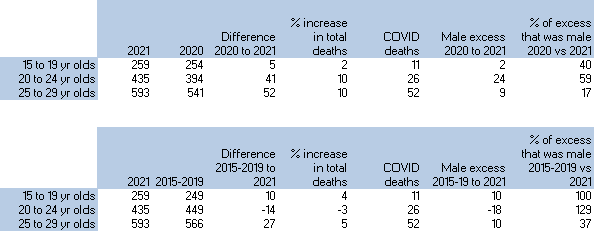
The mortality data for England and Wales from ONS from 1 May 2021 until 17 September 2021 shows a significant excess, particularly in the 15-19 year age group. Depending on the baseline chosen, the excess for 15-19 year olds is between 16% and 47% above expected levels (see table 1 and 2). COVID-19 deaths were too small in number to account for the excess. A disproportionate number of these excess deaths were in males. A certain amount of variation by random chance would be expected but an increase of this proportion is large enough not to be dismissed without further investigation.
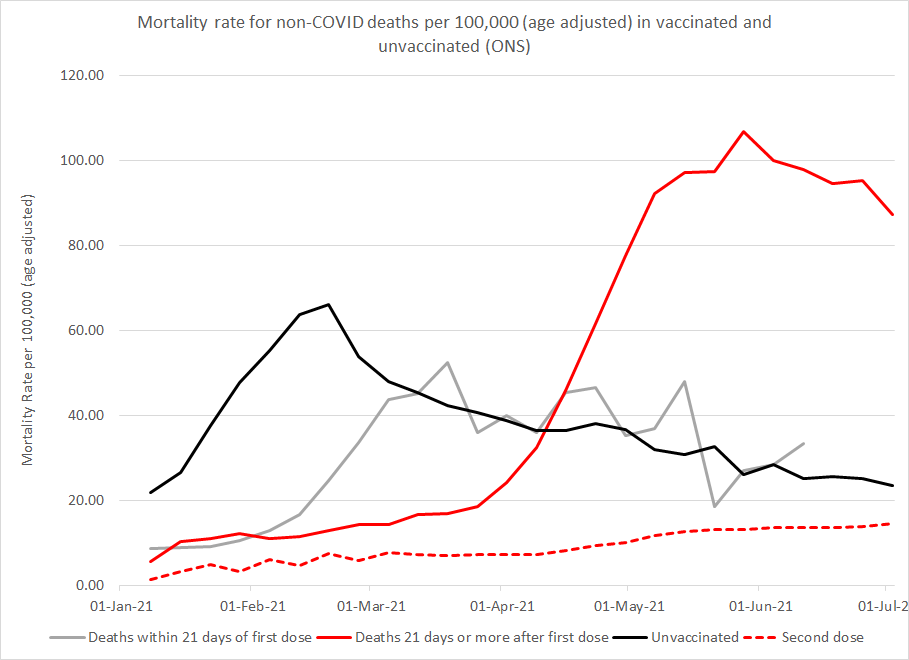
…Mortality has risen in younger age groups since 1st May 2021. The increase in the 15-19 year old age group is particularly noticeable, especially as deaths in this age group are uncommon. The excess deaths have a marked male predominance. An increase in ambulance call outs for patients who have had a cardiac arrest or are unconscious showed a coincidental noticeable rise from May 2021. The period also coincides with the rollout of vaccination. Finally, ONS have reported on a striking rise in age adjusted mortality rates in those with only one dose that accelerated in May 2021 to levels far exceeding those in the unvaccinated.
https://www.hartgroup.org/recent-deaths-in-young-people-in-england-and-wales/
Riccardo Bosi interviews health professionals about censorship. Featuring Professor Dolores Cahill and Ros Nealon-Cook
https://www.facebook.com/australiaoneparty/videos/430638731822806
Backup mirrors:
Iceland on Friday suspended the Moderna anti-COVID vaccine, citing the slight increased risks of cardiac inflammation, going further than its Nordic neighbours which simply limited use of the jabs.
…This decision owed to “the increased incidence of myocarditis and pericarditis after vaccination with the Moderna vaccine, as well as with vaccination using Pfizer/BioNTech,” the chief epidemiologist said in a statement.
https://medicalxpress.com/news/2021-10-iceland-halts-moderna-jabs-heart-inflammation.html
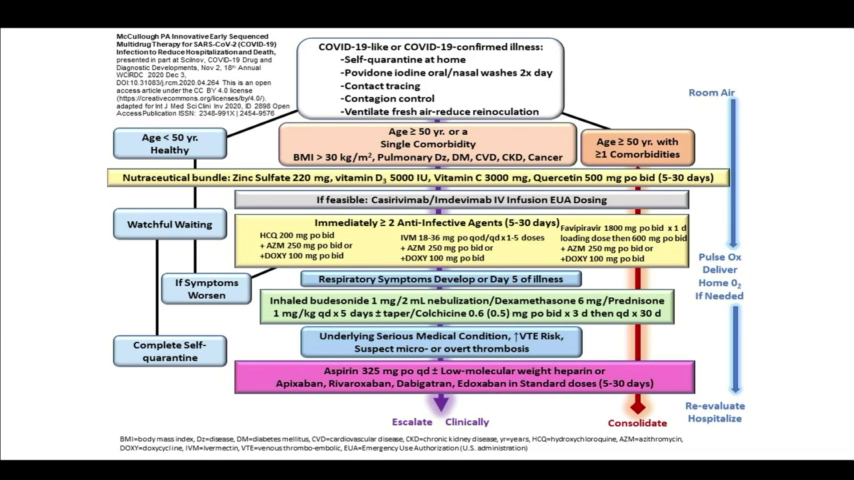
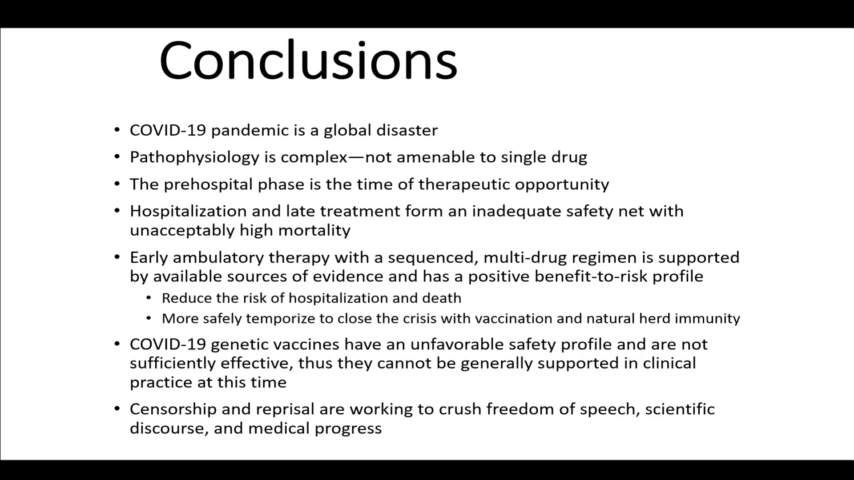
Peter McCullough, MD, MPH speaks at the 78th Annual Meeting of AAPS on October 2, 2021.
Presentation notes:
- 1min: Something was going very wrong very early in 2019.
- 2m: The threshold for shutting down a new biologic product is just a few cases.
- 3m: Covid-19 was going to be the showcase of what we could do for biotech.
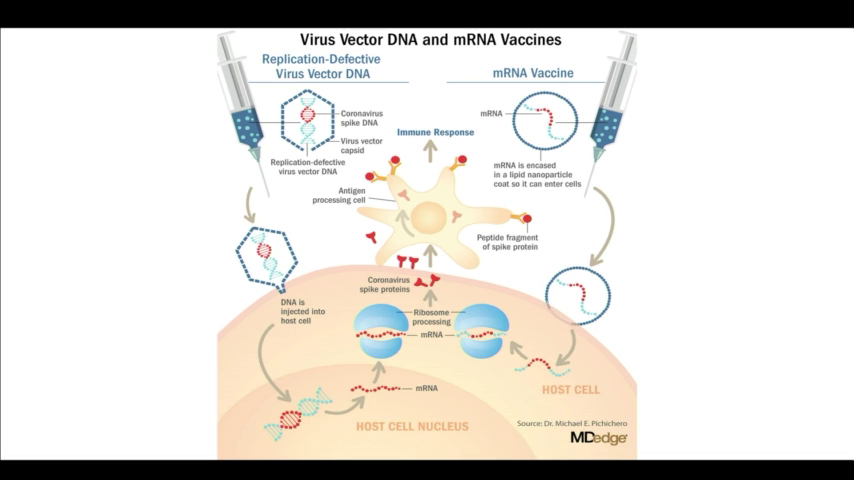
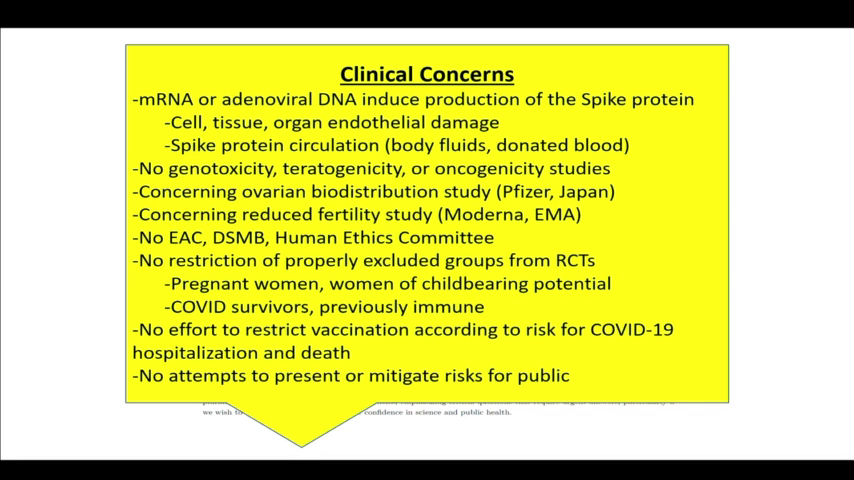
- 5m: The spike protein created by the new Covid-19 is a deadly protein.
- 11m: Our institutions are all culpable in medical malfeasance.
- 13m: We have the biggest biological catastrophe on our hands with a medicinal product in human history…and no-one knows how to stop it.
- List of risk
- 14m: 86% of deaths have no other explanation other than the vaccines.
- 20m: We are in freefall into a lawless state. The Vaccines are not safe for use on either side of the Atlantic. It’s clear that this first generation of [Covid-19] vaccines is not safe.
- 22m: The FDA did not approve Pfizer. The gave a continuation of the emergency use authorization and then conditionally approved Comirnaty with BioNTech which is legally and potentially medicinally distinct. The Pfizer approval is a false talking point.
- 23m: When Pfizer came up for boosters, McCullough and his team presented at the FDA showing that death with the vaccine is greater than death just taking your chances with the infection. The vaccines aren’t safe across the board and the panel agreed 16:2 against the booster.
- 26m: Data for the efficacy of the vaccines do not take into account the Delta variant. These vaccines have failed against Delta and other variants. Two-thirds who get sick with Delta are fully vaccinated. Data shows that the vaccines can’t stop transmission.
- 27m: Effectiveness for Pfizer is at 42%. A vaccine that falls below 50% protection and can’t last a year is not a viable product. Pfizer has failed as a commercial product.
- 29m: The CDC was telling us in May 2021 that the vaccines were failing. They started to do asymmetric reporting to craft a narrative that this was going to be a crisis of the unvaccinated but the CDC data showed the opposite. The ineptitude and willful misconduct of the people running our public health agencies is astounding.
- 32m: The ‘99% of hospitalized were unvaccinated’ message was a propagandized false talking point because the data is not there.
- 33m: The vaccines have had zero impact on the epidemic curve. Mortality is a function of treatment.
- 34m: Many experts have been warning that we shouldn’t vaccinate into a pandemic because it creates resistance. As soon as we started vaccinating, the number of strains starting falling. The virus was figuring out how to thrive in the vaccinated.
- 36m: The Delta variant has achieved antigenic escape. The data shows that the vaccinated is an equal threat to the unvaccinated.
- 38m: Early home treatment is the only thing that makes sense. That’s what it should have always been.
- 40m: Doctors at my institution cannot look me in the eye because they are so ashamed of what they’ve done during the course of this pandemic.
- 44m: If you look through the clinical records [of those who have died] and I will tell you they were all inadequately treated.
- 50m: Natural immunity is superior to vaccine immunity. If we vaccinate people who are covid-recovered, we harm them considerably. The only backstop is natural immunity.
File download:
A Guide to Home-Based COVID Treatment from the Association of American Physicians and Surgeons – PDF (1.4MiB)
Slides:
Backup mirrors:
Part of the rush to dismiss women on the basis of little to no evidence comes – no doubt – from a well-meaning, but ultimately misguided effort to reduce vaccine hesitancy in young women, although if anything will drive hesitancy it is surely exactly this kind of medical gaslighting. More broadly, being disbelieved and dismissed by the medical establishment is nothing new for women, who are used to being, for example, prescribed antidepressants when they present to doctors in pain (men who present with similar symptoms are more likely to be prescribed painkillers). Women are simply not considered to be reliable narrators of their own bodies.
The ONS antibody studies suggest that nearly half of 16 and 17 year olds have been previously infected. We don’t know the equivalent figure for 12 to fives but it is likely to be similar. That means the vaccine effect relative to all unvaccinated (previously infected and not) will be drastically lower than the figure used in the modelling paper. In turn, even the 15 minutes of prevented lost schooling will be a significant overestimate.